
Library
More than ten years of public record. A site that opened in 2026.
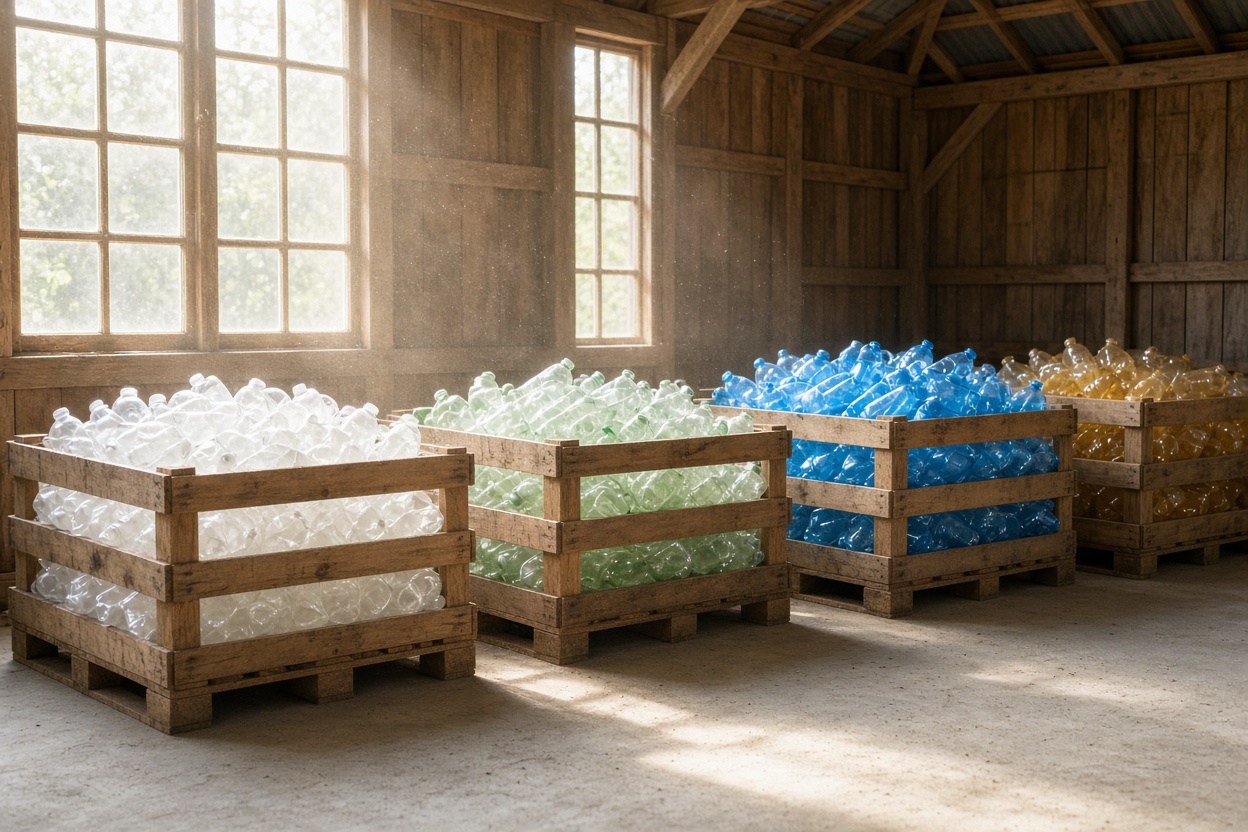
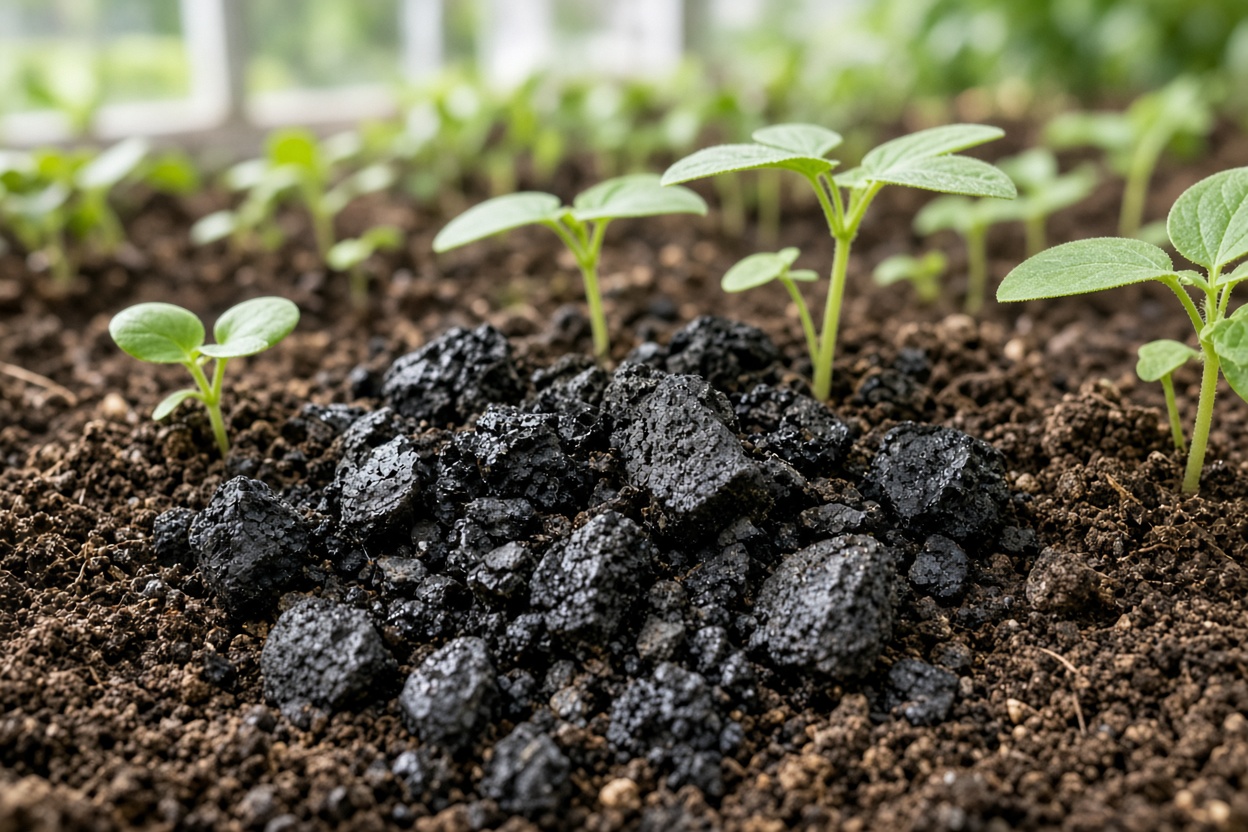
Illustration, not a PyroLife site.
This page collects what agencies and reviews already say. It gives no temperatures, pressures, catalysts, residence times, or feed recipes. It does not say a PyroLife unit has run.
Law that is already older than a decade
- 2008 — EU Waste Framework Directive (2008/98/EC). A material leaves waste status only when it has a specific use, a market, compliance with product standards, and no overall harm. The directive’s definition of recycling excludes energy recovery and reprocessing into fuels.
- Fuel rules. EN 590 sets requirements for automotive diesel in Europe. The EU Fuel Quality Directive points environmental specifications for road diesel at those test methods. ASTM D975 covers named diesel grades. Pyrolysis oil is not one of those grades.
- Stockholm Convention. Dioxins and furans are treated as unintentional toxic by-products of thermal processes that involve organic material and chlorine. Open burning of waste is a listed source category. Parties are obliged to keep reducing those releases. This page does not claim that every closed unit forms dioxins, and it does not claim that any unit avoids them.
- 2023 — Basel Convention technical guidelines on environmentally sound management of plastic wastes, including wastes listed for transboundary control. Residues from treatment can themselves be controlled wastes.
- 2025 — European Commission answer to Parliament. Chemical-recycling accounting must follow the waste directive, which excludes converting waste into fuels.
Pyrolysis, as the reviews describe it
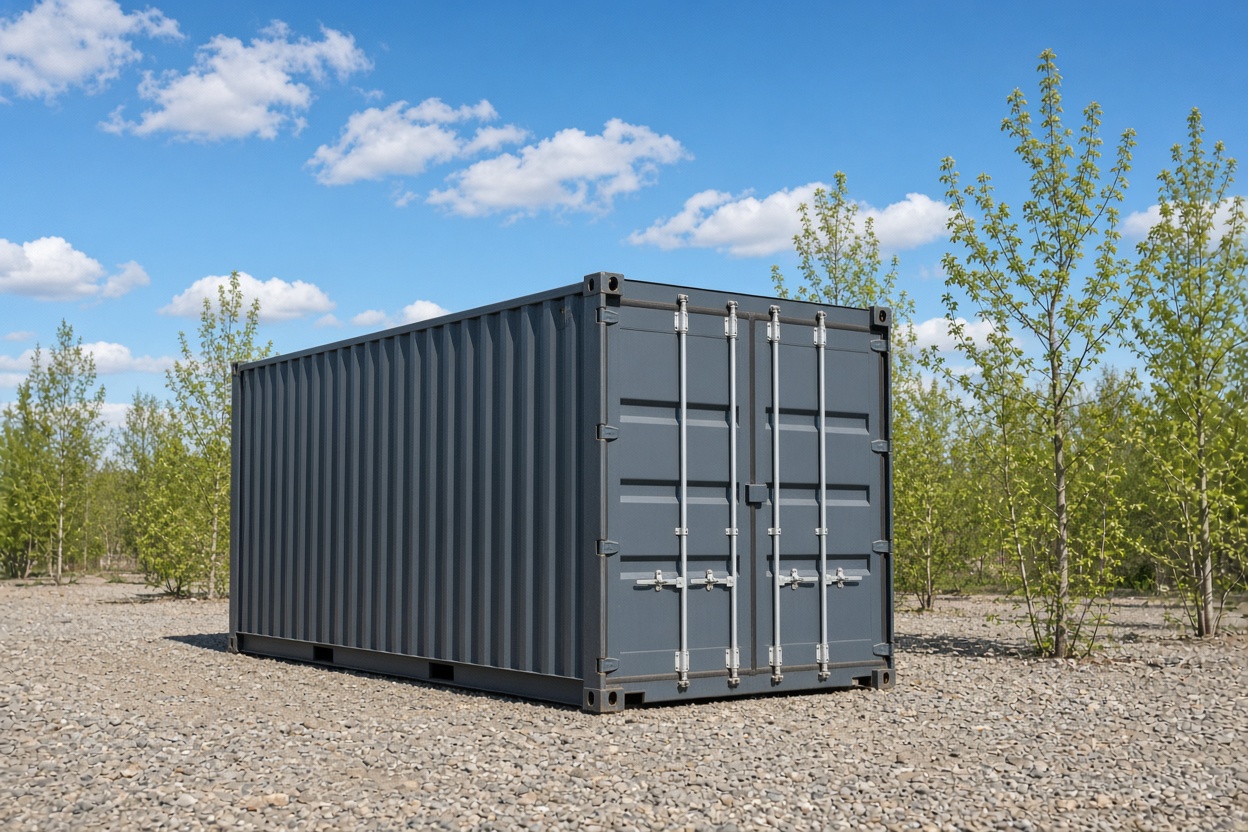
- U.S. EPA, plastics and pyrolysis. EPA describes pyrolysis as a thermal conversion route aimed mainly at common packaging plastics such as polyethylene and polypropylene. Named outputs are a liquid (pyrolysis oil), hydrocarbon gases, and a solid char. EPA distinguishes that route from burning mixed municipal waste for electricity, and says a facility must still meet its legal duties. Pilot and early commercial plants in the United States are not evidence of a licensed container service for a community.
- 2021 — Dogu and colleagues, Progress in Energy and Combustion Science. A review of chemical recycling. Real plastic waste is variable. Mixed polymers, additives, and inorganic dirt change from load to load. The chemistry is not treated as settled for industrial use.
- 2022 — Kusenberg and colleagues, Waste Management. Post-consumer pyrolysis oils carry contaminants, including chlorine and metals, far above limits used for industrial feedstock. The oils meet those limits only after further upgrading, and only if the waste is pretreated.
- 2022 — overview in Processes. Much of the metal burden sits in the solid residue. What remains in the oil is still a problem. The liquid is an intermediate, not a finished fuel.
- Air status is unsettled. EPA has recorded an open question under the Clean Air Act: whether pyrolysis units stay inside incinerator rules for other solid-waste incinerators. Comment was requested in 2026. In July 2025 EPA withdrew a proposed significant-new-use rule covering 18 chemicals made from plastic waste for uses that include transport fuels. Withdrawal is not a finding that those oils are safe.
River plastic is not clean scrap
- 2023 — UNEP, Chemicals in Plastics. More than 13,000 chemicals are associated with plastics. Groups of concern include flame retardants, PFAS, phthalates, bisphenols, certain metals, and polycyclic aromatic hydrocarbons.
- 2025 — review of marine plastic, Frontiers in Marine Science. Salt, sand, and marine growth are reported, and collection, cleaning, and sorting are barriers for thermal routes as well as for mechanical recycling. River plastic adds mud and mixed litter.
- 2021 — Velis and colleagues, Environmental Science & Technology. A systematic review ranks harm to informal waste workers from open burning as high, from dioxins and related compounds, flame retardants, phthalates, metals, particles, and polycyclic aromatic hydrocarbons.
- World Health Organization on dioxins. WHO describes dioxins as highly toxic, links long-term exposure to immune, developmental, hormonal, and reproductive harm, and records that the most studied dioxin is classified as a known human carcinogen.
- UNEP on open burning. Open burning of plastics releases dioxins, furans, mercury, and PCBs, with particular risk to people in informal collection. A licensed plant, if one were ever permitted, would be a different activity from an open fire. That difference does not make the plant clean.
A neighbour in the public record, not a partner
The Ocean Cleanup’s own milestones text says the work began in 2013. Its projects page describes an international non-profit that intercepts plastic in rivers and removes plastic already in the ocean, with a stated goal of cleaning up 90 percent of floating ocean plastic by 2040. Its rivers page says research finds that 1,000 of about three million rivers account for 80 percent of riverine plastic pollution, and it publishes its own interception totals. Those figures are theirs. PyroLife does not adopt them, does not use their machines, and is not affiliated.
On their pages, continuity depends on operators, public collection fees, and outside funders. They do not describe people leaving with fuel. That is the difference this initiative is built around.
PFAS is a different job
- The bond. Public reviews describe the carbon–fluorine bond as one of the strongest in organic chemistry. A process tuned to crack ordinary plastic does not, by that fact, finish the fluorine chemistry.
- Leaving the solid is not destruction. A 2026 review in Nature Reviews Clean Technology states that loss of the parent substance often overstates mineralisation, because the fluorine can remain in other fluorinated products, including fluorinated greenhouse gases.
- 2026 — U.S. EPA interim guidance on PFAS destruction and disposal does not create a legal duty and does not approve a technology. It says some permitted hazardous-waste combustors show promising destruction, and that uncertainties remain, including products of incomplete combustion and air releases from other units.
- 2025 — EPA science inventory on thermal destruction: bench and pilot results are described as promising, and full-scale testing is still needed.
- 2025 — UK Environment Agency evidence summary. Pyrolysis is treated as an emerging option that shows promise and is not yet fully commercial. Tightly controlled high-temperature incineration is the only large-scale route that summary calls proven.
- A fuel result is not a fluorine balance. A credible destruction claim would have to account for char, liquid, gas, and stack, and show organic fluorine turned into inorganic fluoride. Hydrogen fluoride is hazardous. This page does not describe capture or disposal.
Biochar is not plastic char
- European Biochar Certificate and the International Biochar Initiative. Certified biochar is a product of listed biomass feedstocks, with tests that include carbon, metals, and polycyclic aromatic hydrocarbons. A solid left from plastic pyrolysis is a waste residue unless a standard and an authority say otherwise.
- 2026 — short review, Science of the Total Environment. Not all biochar is equal. Risk depends on feedstock, how it was made, and how people are exposed. For biosolids char on food-producing land, that review says PFAS destruction has to be verified and the off-gas treated. Plant-residue chars still need checks for polycyclic aromatic hydrocarbons.
- 2024 — agricultural review. A large literature uses clean biochar as a sponge to hold PFAS. Holding a chemical is the opposite of destroying it.
- 2026 — McNamara and co-authors on biosolids pyrolysis. Targeted PFAS were measured in char, liquid, and gas. PFAS were found in the liquid and the gas. A drop in the solid is not a closed fluorine balance. No operating condition from that study is repeated here.
What this library will not do
It will not invent a river mass, a diesel yield, a reactor drawing, or a ten-year operating history for PyroLife. The candidate rivers on the register are Klang, Ciliwung, Citarum, and Ganges, plus one unnamed Scandinavian storage. Figures stay empty until a source is stored beside them.