LineSpotting AB 559090-0253
A concept for a diesel reward from accepted plastic.
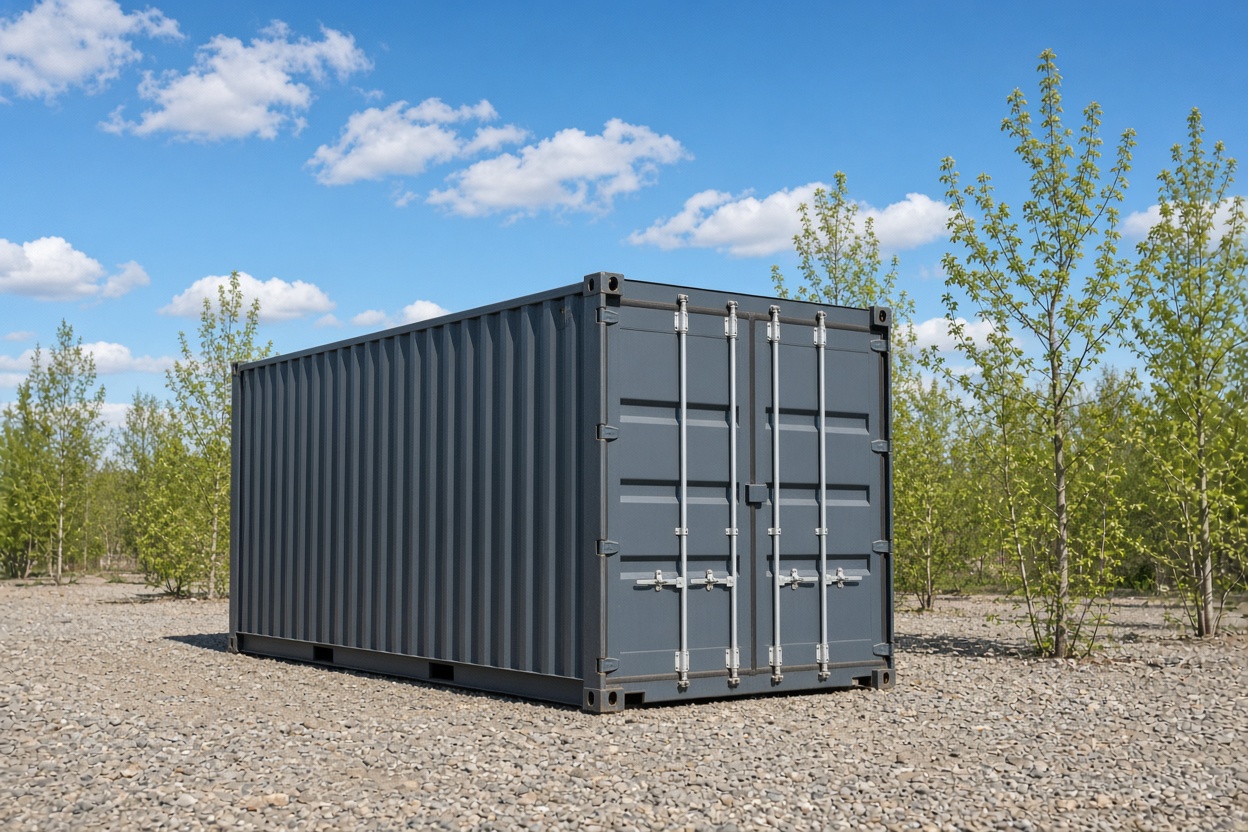
Illustration, not a PyroLife site. This page is not an application and not an award.
LineSpotting AB holds the PyroLife concept. The company is a registered Swedish limited company, organisation number 559090-0253. The civic association is a separate track and is not the holder of this solution. Nothing on this website has been filed as a funding application, and nothing here is a decision by a funder.
Merinfo lists a public remark, a distraint (utmätning), for LineSpotting AB. A steer recorded that check as 2026-10-20. A read of the same page on 2026-11-08 still showed the words that a distraint is registered, and the page dated its own check 2026-11-08. This page does not explain the remark. Merinfo, LineSpotting AB.
The page is written so a reader in energy and business development can see the solution, the energy question, the customer, and the maturity. The Swedish version is Koncept.
The solution
Accepted plastic waste would be converted by pyrolysis in a licensed container-sized machine. People and waste companies who bring an accepted load would be paid in a diesel-range liquid. The operator would keep a share to run the machine. Char, off-spec liquid, filters, and rejected plastic would be hauled to a lawful receiver. Dirty loads and chlorinated plastics such as PVC can be refused, and then earn nothing.
Pyrolysis is the route because it is the thermal step that yields a liquid in one conversion. That matches a local fuel reward. Mechanical recycling does not make diesel. Burning does not hand a liquid back. Gasification needs a further synthesis and a larger plant.
Energy relevance
The energy question is whether a liquid from waste plastic can stand in for fossil diesel that collectors and machines already burn. The contribution aimed at is a fuel drawn from a waste stream, in places where diesel is the working fuel of cleanup, so the work depends less on fuel brought in from outside. No figure is published for manufacture, use, or end of life.
Manufacture
No PyroLife unit has been built. Building a container, moving it, and the energy to sort and dry a load belong in this stage. No litre, no kilowatt-hour, and no tonne of carbon dioxide is stated.
Use
The aimed use is a diesel-range liquid in place of fossil diesel that collectors and the machine already burn. The liquid is an intermediate. It is not road diesel. No rate is published.
End of life
Char, off-spec liquid, filters, and rejected plastic are wastes and are hauled to a lawful receiver. If the liquid is later burned, that burning is use, and the residues still need an end. No residue mass is published.
That balance is not calculated for a PyroLife unit. No unit has run. If the liquid is later burned, the climate case is the fossil diesel it displaces, minus the energy the process uses and minus the fate of the residues. Publishing a tonne of carbon dioxide avoided, or a litre per kilo, would be an invention. The concept work is to make that estimate with cited methods and with the limits kept visible: the liquid is an intermediate, it is not automatically road fuel, and a fuel reward is not recycling under the EU Waste Framework Directive.
Maturity
At this date the solution is at technical readiness level 2. The concept and the application are described: who brings the plastic, what the payment is, which loads can be refused, and which wastes leave. There is no PyroLife laboratory test, no small prototype, and no machine in a relevant environment. The public site, the research notes, and a phone app that describes the service are descriptions. They are not a plant. A later step would be experimental evidence of the function. That step has not been taken. Levels that mean a validated prototype, or a unit already demonstrated, do not apply.
Customer and business
The customer is the person or the waste company who gathers plastic and needs diesel to do the work. The benefit against a cash fee from an outside funder is that the payment is the fuel the work already uses. The operator’s benefit is a lower running cost, because a share of the liquid stays with the machine. Whether that share and the reward can both be met is not shown. No rate is published.
The first markets named for the service are Malaysia and Indonesia. India is a candidate. Existing plastic storages in Scandinavia are a separate question of return. No stockpile mass was opened for a named Scandinavian site, so that ledger stays empty. Model emission figures for the Klang, the Ciliwung, and the Ganges are on the river register, each with its source. They are not a mass PyroLife measured. Where the sources disagree, they are not averaged. Citarum has no opened mass.
The competing offers are cash-paid cleanup and collection paid by outside funders. PyroLife is not affiliated with The Ocean Cleanup and does not use its figures. A profitable business, jobs in Sweden, and export income are aims. They are not results. Continued financing after a concept phase is not secured.
What concept work still has to do
- The three energy stages are named above. The calculation, with a cited method, is not done. No yield will be invented to fill it.
- A service prototype on paper and in the app: which loads are accepted, how the reward is recorded, and how the waste leaves. Not a reactor.
- Customer benefit, a priority market, a business plan, a financing plan, and a letter of intent for a later trial with a customer.
- A strategy for the intellectual assets. The company holds the concept. A patent position is not claimed.
LineSpotting AB would lead that work. Competence can sit in the company or be hired. The knowledge from the work is meant to stay with the company. A staffed project group does not exist yet, so a gender balance in a team is not claimed. The service itself does not sort customers by sex. Anyone who brings an accepted load is the customer.
Company support, if it is sought, is sought by LineSpotting AB for this concept. The association does not file that kind of application. An application would not be an award. Contact is by email only, on the contact page.